
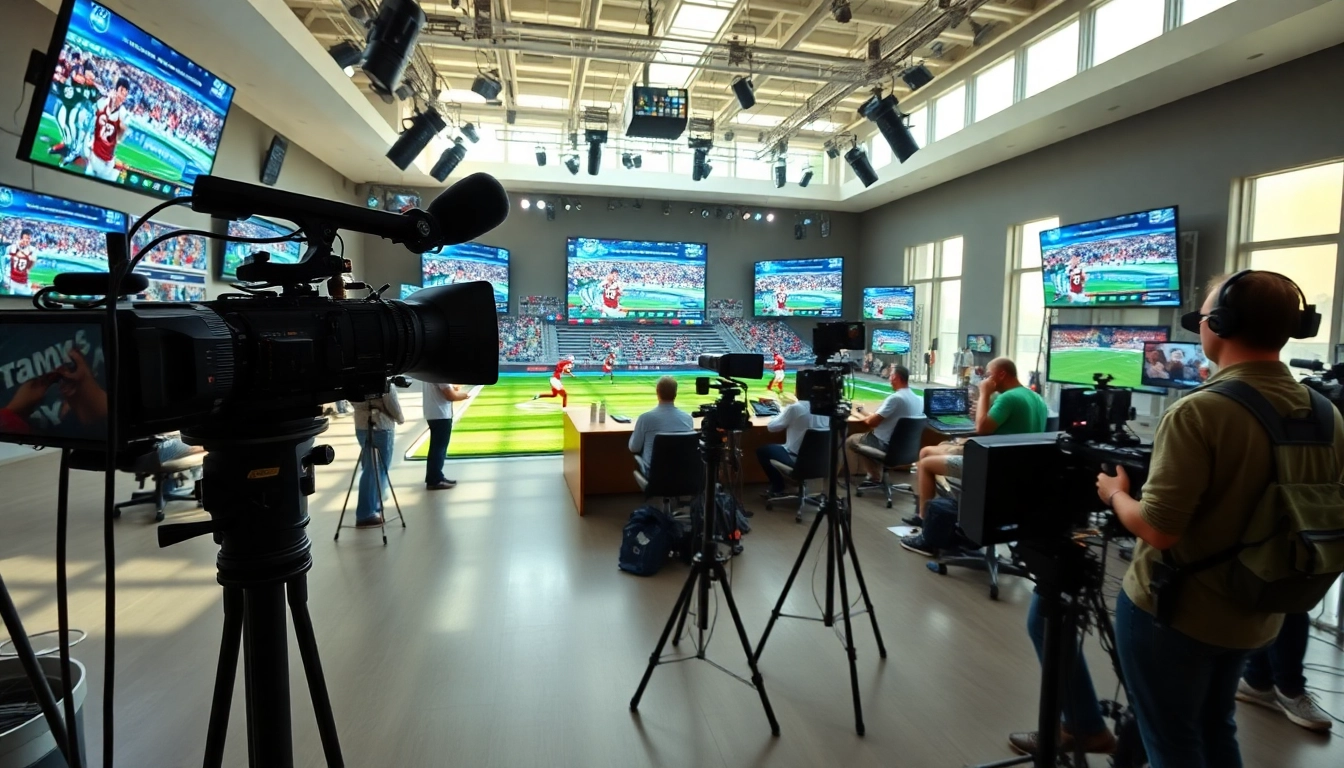
Introduction to Sports Broadcasting
Sports broadcasting is an ever-evolving realm that serves as the bridge between athletic events and the audience. Defined by the live or recorded dissemination of sporting events through various media platforms, it offers fans a chance to engage with their favorite sports from anywhere in the world. The rise of technologies and platforms has revolutionized this field, shaping how enthusiasts experience events. This detailed exploration into Sports Broadcasting will cover its evolution, significance, and essential components.
What is Sports Broadcasting?
At its core, sports broadcasting refers to the distribution of live or taped sports events via television, radio, or online streaming services. It encompasses play-by-play commentary, interviews, pre- and post-game coverage, and analysis. The goal is to enhance the viewer's experience, allowing them to feel like they're part of the event, regardless of their physical location. As technology has advanced, so has the reach and accessibility of sports broadcasting, inviting a broader audience to partake in the sports narrative.
Evolution of Sports Broadcasting
The journey of sports broadcasting can be traced back to the early 20th century when numerous radio stations began airing live sports events. Initially limited to radio broadcasts, the industry experienced a significant shift with the advent of television in the mid-20th century. Iconic moments in sports history, such as the 1936 Summer Olympics, were among the first to be televised, paving the way for future broadcasts. The introduction of cable television expanded viewing possibilities further, allowing for specialized sports channels that catered to diverse audiences.
In recent years, digital platforms and streaming services have emerged as dominant players in the industry, facilitating on-demand viewing and establishing new revenue streams. The ability to watch live events on mobile devices, tablets, and smart TVs has made sports broadcasting more accessible than ever, transforming how fans consume sports content.
Importance of Sports Broadcasting Today
Today's sports broadcasting isn't merely about transmitting live events; it plays a crucial role in shaping the sports landscape. By providing stories, highlights, and analyses, broadcasters help build a community around sports. They contribute to the growth of athletes' brands and expand the reach of leagues and events globally. Moreover, the financial implications are significant, as broadcasting rights are a primary source of revenue for leagues and organizations. Therefore, the importance of sports broadcasting extends beyond entertainment; it significantly influences the economic structure of the sporting world.
Key Components of Sports Broadcasting
Essential Equipment Used in Sports Broadcasting
Broadcasting sports effectively relies heavily on advanced technology and equipment. Essential gear includes high-definition cameras, microphones, and broadcasting software that ensure seamless production. Multi-camera setups capture events from various angles, allowing for dynamic viewing experiences. Audio equipment, such as handheld and lavalier microphones, captures sound clearly, including player interactions and crowd reactions.
In addition to these, integration of graphics and instant replay technology provides viewers with immersive experiences, while satellite feeds ensure broadcasts reach global audiences. As the industry continues evolving, staying updated with cutting-edge equipment is crucial for maintaining broadcast quality and audience engagement.
Roles of Personnel in Sports Broadcasting
A successful sports broadcast involves a dedicated team, each with specific roles that contribute to the final product. Key personnel include:
- Producers: Oversee the entire broadcasting process, organizing the logistics and ensuring everything runs smoothly.
- Commentators: Provide live commentary, enhancing the viewing experience with insights and analysis.
- Camera Operators: Responsible for capturing the action, following game dynamics and delivering high-quality visuals.
- Technical Crew: Manage the audio, video, and broadcasting equipment, ensuring top-notch production quality.
- Writers and Reporters: Prepare scripts and conduct interviews, providing content that adds depth to the coverage.
Each role is vital in creating a cohesive viewing experience that keeps audiences engaged and informed.
Types of Sports Broadcasting Formats
Sports broadcasting can take several forms, each catering to different audience needs:
- Live Broadcasts: Immediate coverage of events as they happen, allowing fans to experience the thrill in real-time.
- Highlights Shows: Feature key moments from games, providing a quick overview for those who may have missed the live action.
- Documentaries: Explore the history and behind-the-scenes stories of sports and athletes, offering a deeper understanding of the sport.
- Podcasts: Audio formats that discuss sports commentary and analysis, allowing fans to engage with content on the go.
- Interactive Streaming: Offers viewers the ability to choose camera angles and participate in polls, enhancing engagement and personalization.
By diversifying formats, broadcasters can cater to different preferences and create more inclusive viewing experiences.
Techniques for Effective Sports Broadcasting
Storytelling in Sports Broadcasting
Storytelling is at the heart of captivating sports broadcasting. It transcends mere event coverage, allowing fans to connect emotionally with the game and the athletes. Effective storytellers weave narratives that highlight key moments, rivalries, and individual journeys. This approach enhances the emotional investment of viewers, making the experience memorable.
Utilizing personal anecdotes, statistics, and historical context builds a richer story around the sporting event. Broadcasters who master this technique can elevate a simple game into a gripping narrative that resonates with audiences long after the final whistle.
Utilizing Technology in Sports Broadcasting
Incorporating technology is essential for a modern sports broadcast. Techniques such as augmented reality (AR) and virtual reality (VR) are gaining traction, providing fans with immersive experiences that draw them into the action. For example, using AR overlays can deliver real-time graphics, statistics, and player information on-screen without distracting from the game.
Additionally, drones are increasingly used to capture aerial views of sporting events, providing unique perspectives that enhance narrative possibilities. The integration of advanced analytics also allows broadcasters to present critical data that enriches discussions and informs viewers about game strategy and player performance.
Engaging the Audience Through Commentary
Commentary plays a crucial role in sports broadcasting, acting as the voice that guides viewers through the event. Engaging commentators use a combination of enthusiasm, knowledgeable insights, and relatable narratives to make broadcasts entertaining and informative. The ability to connect with the audience, whether through humor or passionate analysis, enhances viewer loyalty and retention.
Moreover, fostering interaction through social media or real-time polls creates a community atmosphere. By involving viewers in the conversation, broadcasters can significantly increase engagement, making them feel like part of the experience.
Trends Shaping the Future of Sports Broadcasting
Impact of Streaming Services on Sports Broadcasting
The surge of streaming services is fundamentally reshaping the sports broadcasting landscape. These platforms offer viewers flexibility in viewing times and scheduling, catering to audiences that prioritize content accessibility. As traditional broadcasting methods adapt to digital consumption preferences, we see shifts in how rights and content distribution are managed.
Streaming services also provide opportunities for niche sports to gain exposure, allowing fans of less mainstream events to access content that may not have found airtime on traditional networks.
The Rise of Interactive Sports Broadcasting
The future of sports broadcasting is poised to be highly interactive. Broadcasters are exploring ways to engage viewers actively, offering options to customize their viewing experience. Features like selecting camera angles, participating in live polls, or accessing real-time stats empower viewers to shape their experiences.
Such interactivity not only enhances viewer satisfaction but also fosters a sense of community among fans. As this trend continues, sports broadcasting will likely evolve from passive viewing to an immersive, participatory experience.
Advancements in Sports Analytics
Sports analytics is transforming how broadcasters present information during events. Real-time analytics provide insights into player performance, tactical trends, and game-changing moments. This data empowers commentators to offer deeper analyses, enhancing the viewer's understanding of gameplay.
Emphasizing data not only benefits the commentary but also enriches storytelling and provides actionable insights for fans and analysts alike. As analytics continue to advance, broadcasters who leverage these insights effectively will set themselves apart in a competitive landscape.
Measuring Success in Sports Broadcasting
Key Performance Indicators for Sports Broadcasting
Understanding success in sports broadcasting requires identifying key performance indicators (KPIs). Metrics such as audience ratings, engagement levels, and viewership demographics are essential for evaluating a broadcast's effectiveness. These metrics provide insights into what resonates with viewers and areas for improvement.
Furthermore, revenue generated from advertising, subscriptions, or sponsorship deals also serves as a crucial indicator of success. By analyzing these KPIs, broadcasters can strategize and adjust their offerings to maximize audience engagement and revenue potential.
Analyzing Audience Engagement Metrics
To measure audience engagement, broadcasters can analyze various metrics, including social media interactions, viewer feedback, and the time spent watching broadcasts. Deep-diving into this data helps uncover viewing trends and preferences that can guide future content creation. Metrics such as comments, shares, and likes on social media platforms indicate viewer sentiments and potential areas for improvement.
Ultimately, understanding engagement metrics allows broadcasters to better connect with audiences and refine their strategies to meet evolving expectations.
Case Studies of Successful Sports Broadcasting
Examining successful sports broadcasts provides valuable insights into effective strategies. One such case is the integration of live digital and traditional broadcasts, which combines the best of both worlds. Key highlights, social media interaction, and audience engagement drive viewership and create a more dynamic experience.
Another notable example includes broadcasting the Olympics, which utilizes innovative technology to enhance viewer experience through high-quality visuals, interactive features, and engaging narratives. Learning from success stories enables broadcasters to adopt best practices that elevate the viewing experience and capture audience interest.
FAQs
What is sports broadcasting?
Sports broadcasting involves the live or recorded coverage of sporting events through television, radio, or online platforms, reaching audiences worldwide.
What equipment is needed for sports broadcasting?
Essential equipment includes cameras, microphones, broadcasting software, and visual effects tools that help capture and enhance live sports events.
How has technology changed sports broadcasting?
Technology has introduced high-definition visuals, real-time analytics, and interactive features, enhancing viewer experience and engagement.
What are common challenges in sports broadcasting?
Challenges include technical difficulties, maintaining viewer interest, and ensuring high-quality production amid live event unpredictability.
How can audience engagement be measured in sports broadcasting?
Audience engagement can be evaluated through metrics like viewer ratings, social media interactions, and audience feedback during broadcasts.